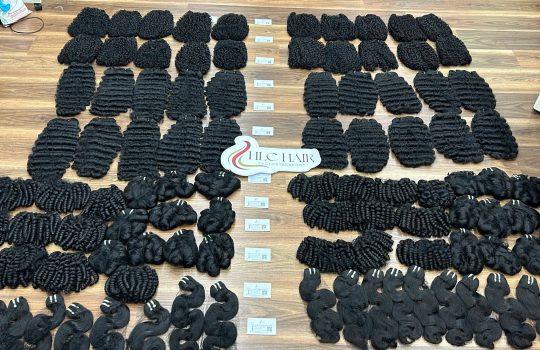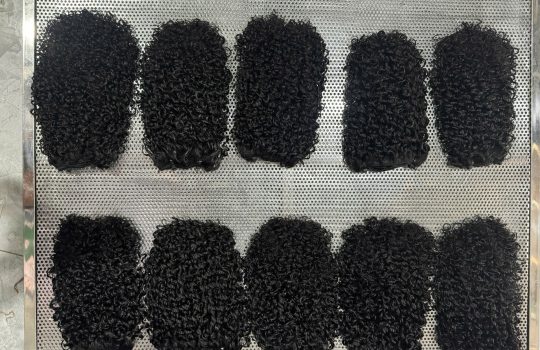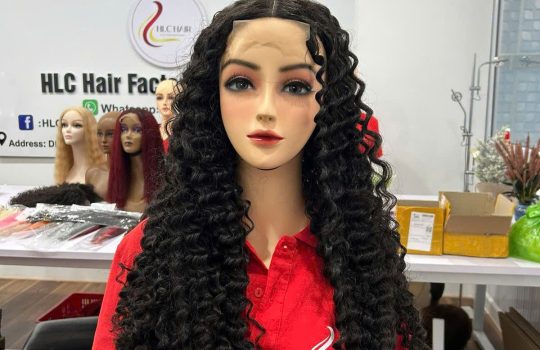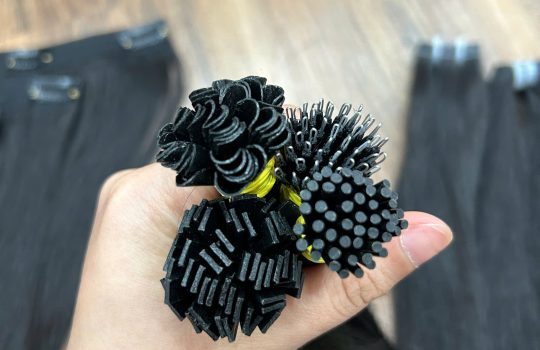

Buying hair in bulk can be a smart move—especially for salon owners, hairstylists, boutique vendors, or beauty entrepreneurs looking to stock up on inventory. It offers cost savings, convenience, and the ability to fulfill customer demands faster. However, purchasing hair in large quantities comes with its risks. If you’re not careful, you could end up with low-quality products, unreliable suppliers, or hair that doesn’t meet your or your clients’ expectations.
Here are the most common mistakes people make when buying hair in bulk—and how to avoid them.

1. Not Researching the Supplier
One of the biggest mistakes is failing to properly vet the supplier. With so many vendors available online—especially on platforms like Alibaba, Instagram, or WhatsApp—it’s easy to fall for marketing tactics or fake reviews.
How to Avoid It:
Look for suppliers with a proven track record, customer testimonials, and verifiable business credentials.
Ask for samples before making a large purchase.
Check for consistent branding, professional communication, and clear return or refund policies.
2. Choosing the Cheapest Option
While it’s tempting to go for the lowest price, cheap hair usually means synthetic blends, poor-quality processing, or short lifespans. Low-cost bulk hair can look good initially but tangle, shed, or dry out after a few wears.
How to Avoid It:
Understand that high-quality human hair—especially virgin or Remy hair—comes at a premium.
Compare prices across trusted suppliers and look for a balance of quality and value.
Be wary of deals that seem “too good to be true.”
3. Ignoring Hair Type and Origin
Different hair origins (e.g., Brazilian, Peruvian, Indian, Malaysian) have different textures, densities, and curl patterns. Buying in bulk without knowing the difference can result in mismatched or unsellable stock.
How to Avoid It:
Learn about the types of hair textures and their characteristics.
Order sample bundles to test the texture and match it with your clients’ preferences.
Confirm the origin and grade of hair with your supplier.
4. Failing to Test Hair Quality
Some suppliers mix synthetic or non-Remy hair with real hair to cut costs. If you don’t test the hair before buying in bulk, you could be stuck with product that tangles, sheds, or doesn’t color well.
How to Avoid It:
Perform simple quality tests on samples: burn test, cuticle check, wash test, and dye test.
Ensure the hair is cuticle-aligned and doesn’t have a coated or silicone finish (which fades after a few washes).
5. Ordering Without Clear Specifications
Bulk buyers sometimes forget to specify texture, length, color, or weight. This leads to inconsistent inventory that can be hard to sell.
How to Avoid It:
Always provide detailed specifications when placing orders.
Confirm bundle weight (typically 100g), hair length, texture (e.g., body wave, straight, curly), and color (#1B, #613, etc.).
Ask the supplier for an invoice or packing list for documentation.
6. Not Understanding Return or Exchange Policies
Many buyers assume they can return or exchange bad hair—but international suppliers often don’t offer this, especially for bulk orders.
How to Avoid It:
Always ask for written return, refund, or replacement policies.
Choose suppliers that offer insurance or guarantees on large orders.
Document communication and order agreements in case of disputes.
7. Overestimating Demand
Buying in bulk makes sense only when there’s demand. Stocking too much of one length or texture could leave you with unsold inventory.
How to Avoid It:
Start small and test the market with limited quantities.
Monitor your best-selling styles and lengths before placing larger orders.
Offer pre-orders or collect client preferences before restocking.
Final Thoughts
Buying hair in bulk can be profitable and efficient—but only if done wisely. Avoiding these common mistakes will save you money, protect your reputation, and help build long-term trust with your clients. Always prioritize quality, transparency, and strong supplier relationships. The more educated and prepared you are, the more successful your hair business will become.