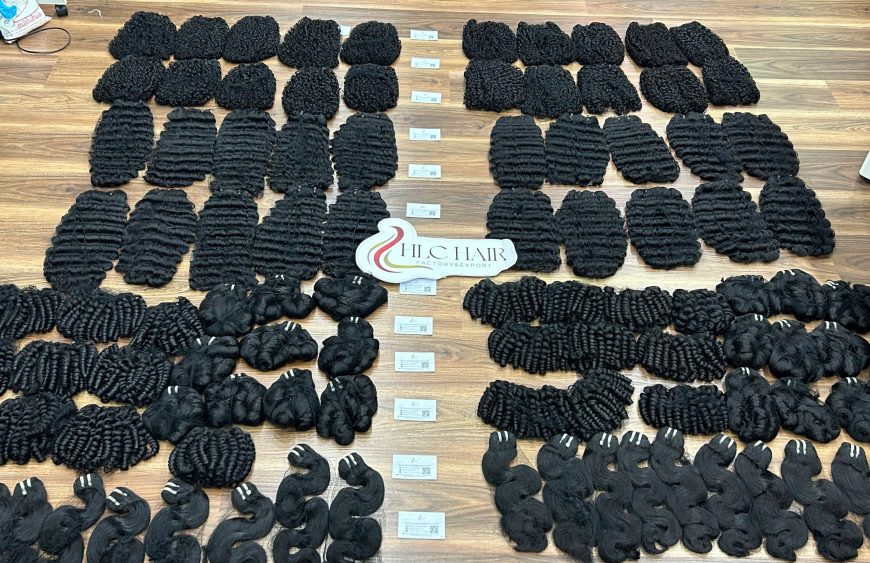
In the hair industry, two of the most commonly compared types of hair are raw hair and processed hair. Whether you’re a stylist, reseller, or customer, understanding the differences between these two is crucial for making informed decisions. Let’s dive into what sets raw hair apart from processed hair and why that matters.
What Is Raw Hair?
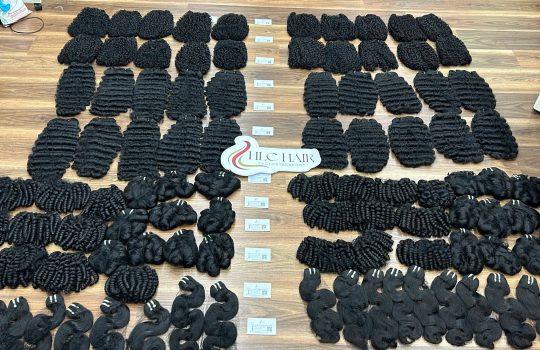
Raw hair is 100% unprocessed human hair collected directly from the donor. It has not undergone any form of chemical or steam processing, and it retains its natural texture, cuticle alignment, and strength. Each bundle of raw hair comes from a single donor, which means it’s consistent in texture and color.
What Is Processed Hair?
Processed hair, on the other hand, has been chemically treated to alter its color, texture, or appearance. This may include bleaching, dyeing, perming, or adding artificial coatings like silicone to make the hair look shinier. It often comes from mixed donors, and the cuticles are stripped or misaligned, requiring additional treatment to improve appearance.
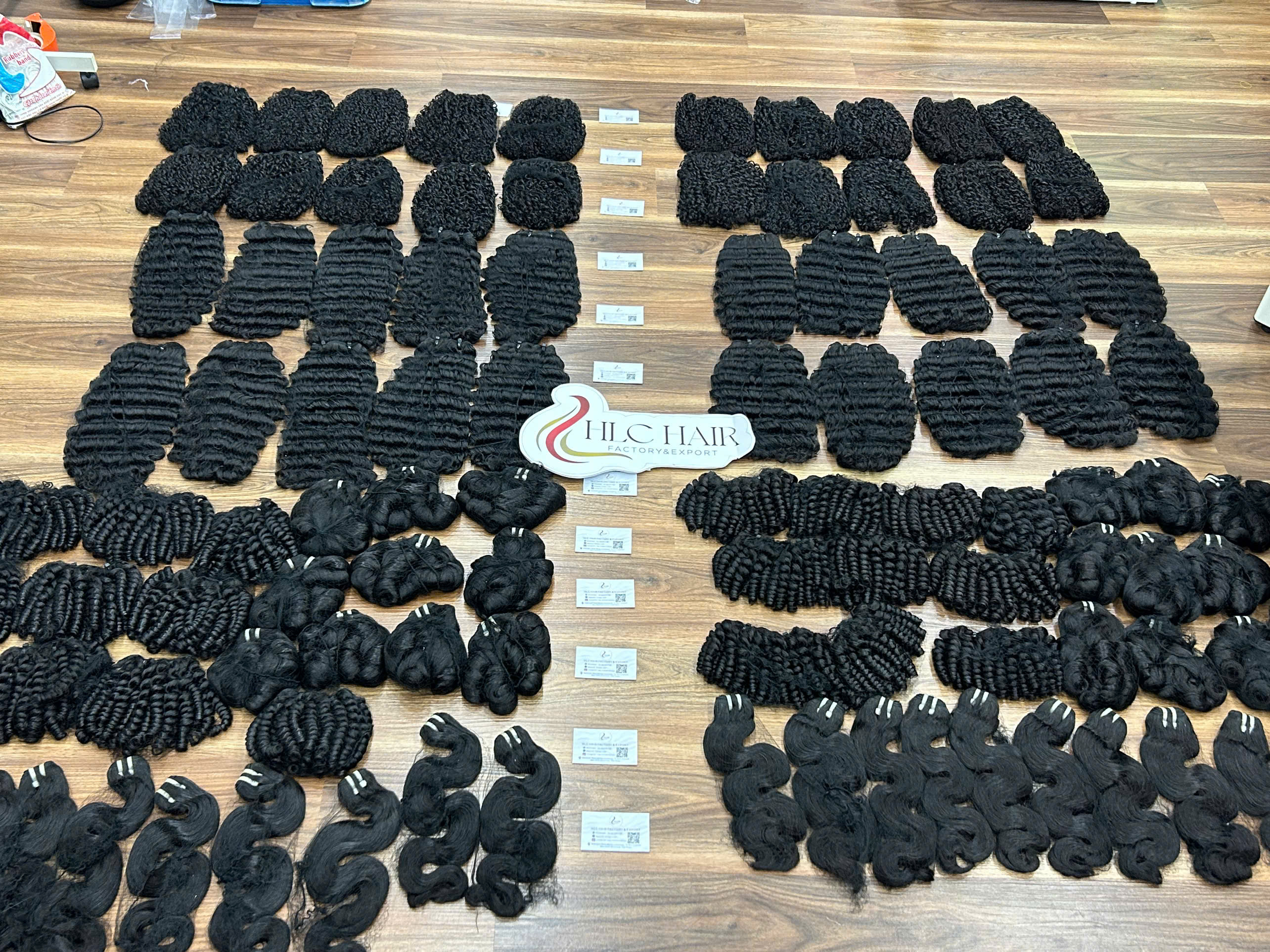
Key Differences Between Raw and Processed Hair
- Texture & Appearance
- Raw Hair: Natural, authentic texture. May have slight irregularities in color or wave—just like natural hair.
- Processed Hair: Uniform in texture and color. Can appear too perfect or overly glossy due to artificial coating.
- Raw Hair: Natural, authentic texture. May have slight irregularities in color or wave—just like natural hair.
- Durability
- Raw Hair: Can last 1-3 years with proper care. Very durable and behaves like natural hair.
- Processed Hair: Typically lasts only 3-6 months before becoming dry or tangled.
- Raw Hair: Can last 1-3 years with proper care. Very durable and behaves like natural hair.
- Styling Versatility
- Raw Hair: Can be dyed, curled, and heat-styled with minimal damage.
- Processed Hair: May not respond well to additional styling due to existing chemical treatments.
- Raw Hair: Can be dyed, curled, and heat-styled with minimal damage.
- Cuticle Alignment
- Raw Hair: All cuticles are intact and aligned in the same direction, reducing tangling.
- Processed Hair: Often lacks cuticle alignment, leading to matting and shedding.
- Raw Hair: All cuticles are intact and aligned in the same direction, reducing tangling.
- Price
- Raw Hair: More expensive due to its quality and sourcing process.
- Processed Hair: More affordable and widely available.
- Raw Hair: More expensive due to its quality and sourcing process.
Which One Should You Choose?
- For Quality & Longevity: Choose raw hair if you want hair that behaves naturally and lasts for a long time.
- For Budget-Friendly or Short-Term Use: Processed hair may be a suitable option for one-time events or customers with a lower budget.
Conclusion
While both raw and processed hair have their place in the market, raw hair is undoubtedly the better investment if quality and authenticity are your priorities. It may cost more upfront, but the longevity, natural appearance, and styling freedom make it well worth it. For stylists and hair business owners, offering raw hair can significantly boost customer satisfaction and retention.