When it comes to selecting the perfect hairstyle for a client, one of the most crucial decisions a stylist can make is choosing the right hair texture. Hair texture plays a major role in how a hairstyle looks, feels, and holds up over time. Whether you’re working with extensions, wigs, or natural hair enhancements, understanding how to match the best hair texture to your client’s natural features, lifestyle, and preferences is key to delivering a satisfying and flattering result.
Here’s a detailed guide to help you choose the best hair texture for your clients.
1. Understand Hair Texture Types
Hair texture refers to the thickness and shape of each individual strand. Generally, hair texture falls into three main categories:
Straight – Sleek, smooth, and often shiny, straight hair lies flat and can be harder to curl.
Wavy – Falls between straight and curly. It has a natural wave and is versatile for styling.
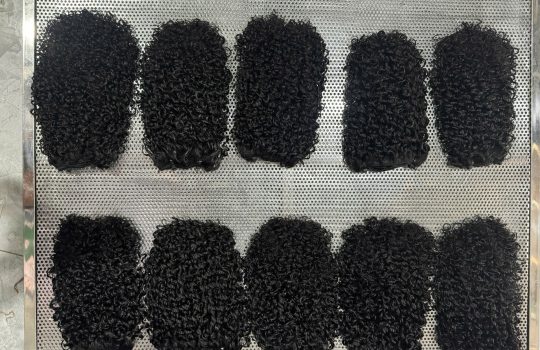
Curly or Coily – Has defined ringlets or coils. It adds volume and body but requires more maintenance.
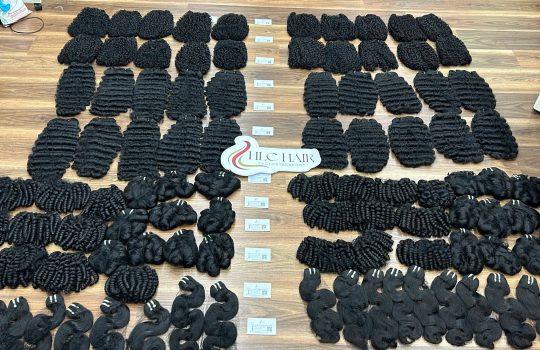
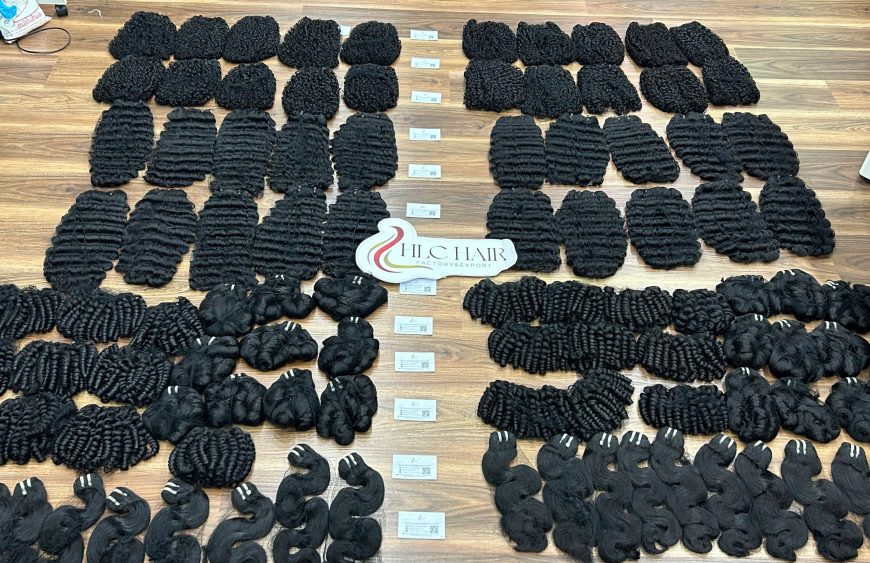
When it comes to hair extensions and wigs, textures are often further classified into styles such as:
Body wave
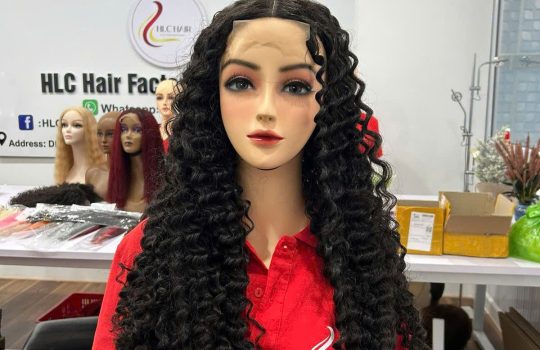
Deep wave
Kinky curly
Loose curl
Yaki straight
Silky straight
2. Match the Client’s Natural Hair
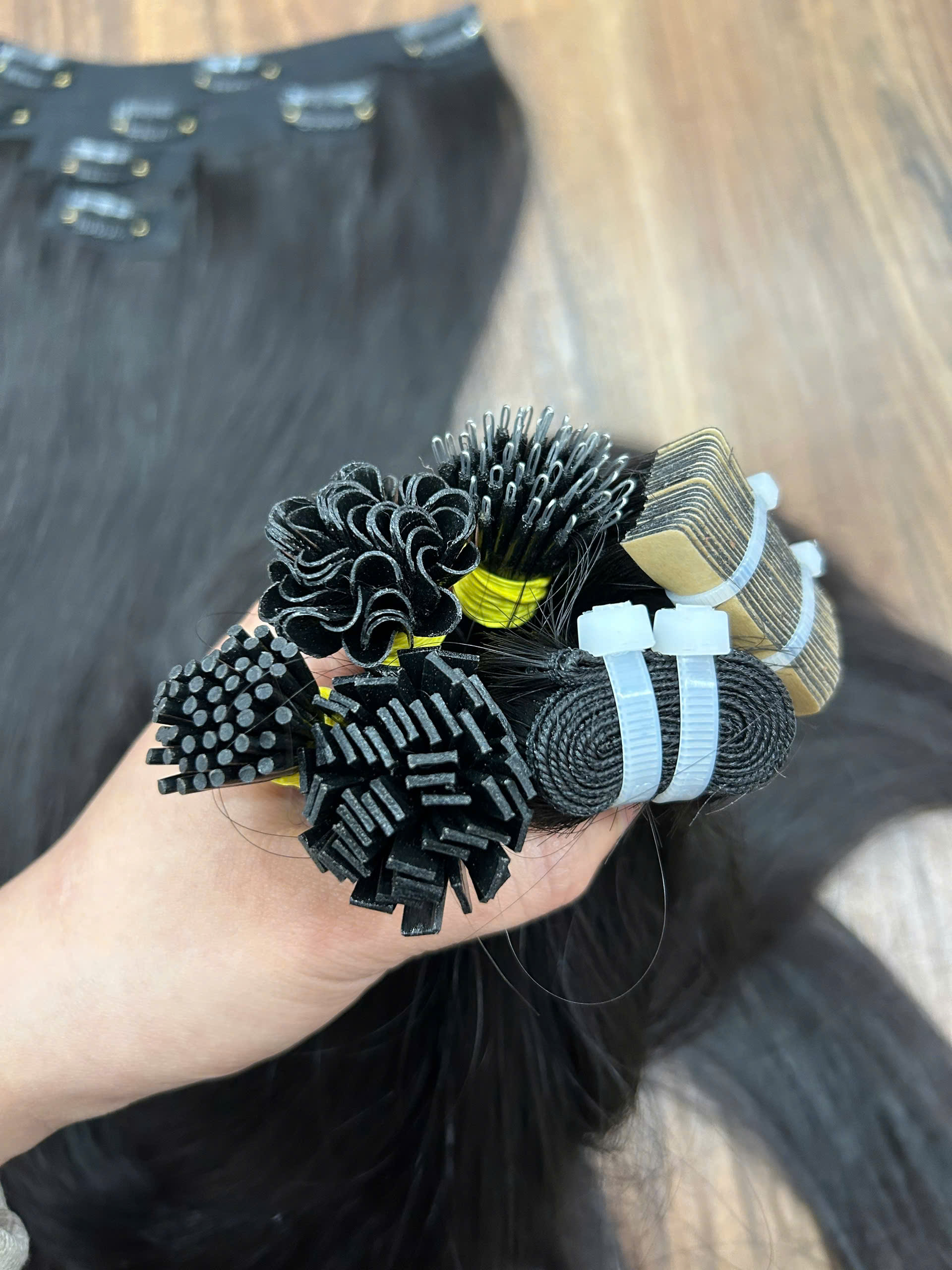
For a seamless and natural look, it’s essential to choose a texture that closely resembles your client’s natural hair. For example:
If your client has coarse, tightly coiled hair, a kinky curly or afro texture will blend best.
If their hair is naturally straight or fine, go for silky straight or light wave textures.
Matching texture is especially important when blending extensions with leave-out hair or choosing partial wigs.
3. Consider the Client’s Lifestyle
The client’s lifestyle should play a huge role in the decision:
Low-maintenance clients may prefer straight or loose wave textures, which require less daily styling.
Active clients who work out frequently might benefit from curlier textures that can be pulled into buns or ponytails easily.
Busy professionals may want a texture that holds style longer and resists frizz throughout the day.
Always ask your client how much time they are willing to spend on their hair each day.
4. Assess the Face Shape and Personal Style
Different textures can enhance or soften facial features:
Curly textures add volume and are great for softening angular faces.
Straight hair can elongate round faces and emphasize sharp features.
Also consider your client’s fashion sense and personality. A bold, trendy client may want dramatic curls, while a more conservative one may prefer sleek and simple styles.
5. Educate Clients on Maintenance
Each hair texture requires specific care:
Curly textures need moisture, curl definition, and detangling.
Straight textures might require heat styling or anti-frizz products.
Help your client choose a texture they are comfortable maintaining. Explain the upkeep involved so they can make an informed decision.
6. Use High-Quality Hair
No matter which texture you choose, always go for high-quality human hair or reputable synthetic alternatives. Premium hair holds texture better, lasts longer, and looks more natural. Remind your clients that quality matters as much as the texture itself.
Conclusion
Choosing the best hair texture for your client involves more than just matching appearance—it’s about understanding their natural hair, lifestyle, preferences, and maintenance habits. As a stylist, your goal is to enhance your client’s confidence by providing a look that suits them perfectly and feels great to wear. By taking the time to assess all these factors, you can recommend textures that not only look fabulous but also fit your clients’ lives seamlessly.