Virgin hair, prized for its untouched quality and natural beauty, is the cornerstone of premium hair extensions. Its journey from donor to delivery is a meticulous process that ensures the hair remains pristine and luxurious. In this article, we explore the fascinating life cycle of virgin hair and the steps that transform it into high-quality extensions.
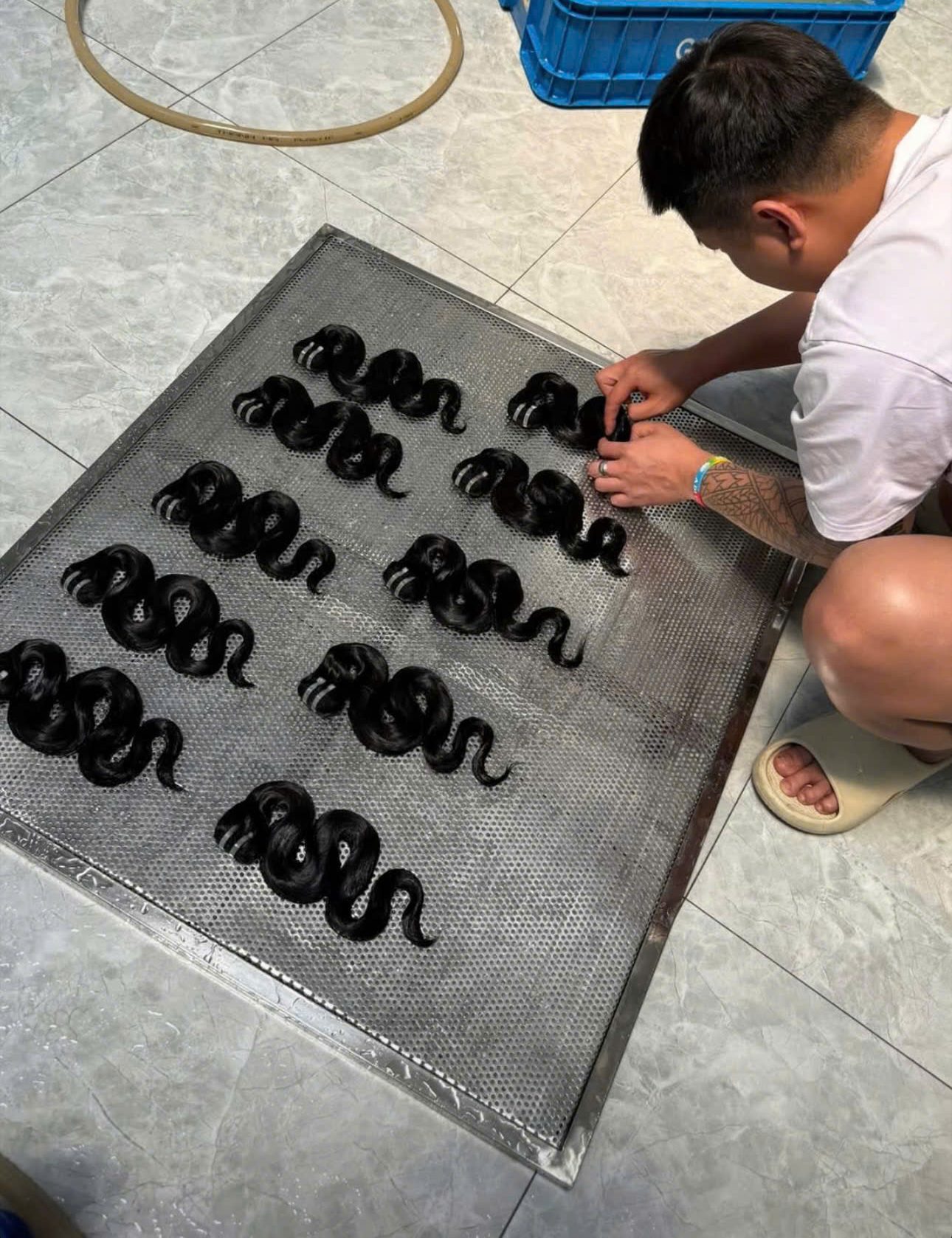
Step 1: Ethical Donor Selection
The journey begins with the donor. Virgin hair is sourced from individuals whose hair has never been chemically treated, dyed, or processed. Donors are often selected based on strict criteria, including hair health, texture, and length. Ethical suppliers ensure that donors provide their hair voluntarily and are fairly compensated, maintaining transparency and respect throughout the process.
Step 2: Careful Hair Collection
Once a donor is selected, the hair is carefully cut and collected. To preserve its quality, the hair is tied into a ponytail or braid before cutting to keep the strands aligned and prevent tangling. This step is crucial for maintaining the hair’s natural cuticle direction, which ensures a smooth, tangle-free finish in the final product.
Step 3: Cleaning and Sanitization
After collection, the hair undergoes a thorough cleaning process. It is gently washed to remove any dirt, oils, or impurities while preserving its natural properties. Unlike non-virgin hair, virgin hair is not subjected to harsh chemical treatments or stripping processes. Sanitization ensures the hair is hygienic and ready for further processing.
Step 4: Sorting and Bundling
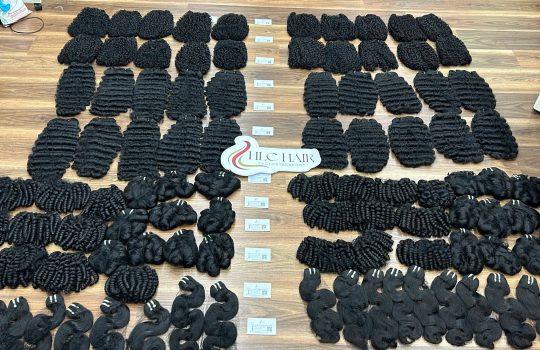
The cleaned hair is then sorted by length, texture, and color to ensure consistency. Single donor hair, in particular, is kept separate to maintain its uniformity. The hair is carefully bundled, with cuticles aligned in the same direction (remy hair), to prevent matting and ensure a natural flow when used as extensions.
Step 5: Quality Control and Testing
Before packaging, the hair undergoes rigorous quality checks. Experts inspect the hair for strength, shine, and cuticle integrity. Any damaged or substandard strands are removed. This step guarantees that only the highest-quality virgin hair reaches the market, meeting the expectations of customers seeking premium extensions.
Step 6: Packaging and Delivery
Once approved, the hair is carefully packaged to protect it during transit. Reputable suppliers use airtight, protective packaging to maintain the hair’s moisture and prevent damage. The hair is then shipped to salons, retailers, or directly to customers, ready to be transformed into stunning extensions.
Conclusion
The life cycle of virgin hair is a testament to the care and precision that goes into creating premium hair extensions. From ethical sourcing to meticulous processing, each step ensures that the hair retains its natural beauty and durability. By understanding this journey, consumers can make informed choices and appreciate the value of virgin hair extensions for their unmatched quality and elegance.